
Animation is no longer just for Hollywood. In 2026, brands across the United States are using 3D animation for marketing, 2D explainer videos, industrial process visualizations, and cutting-edge medical animations to reach their audiences in ways that plain text never could.
Whether you're a startup that wants to launch with a punchy explainer video or an enterprise brand looking to showcase complex machinery with a 3D industrial process animation, this guide covers everything you need to know. We'll break down the types of animation, explain when to use each one, and show you how to work with a 2D animation outsourcing company without wasting time or money.
Let's get into it.
What Is 3D Animation for Marketing, And Why Does It Work?
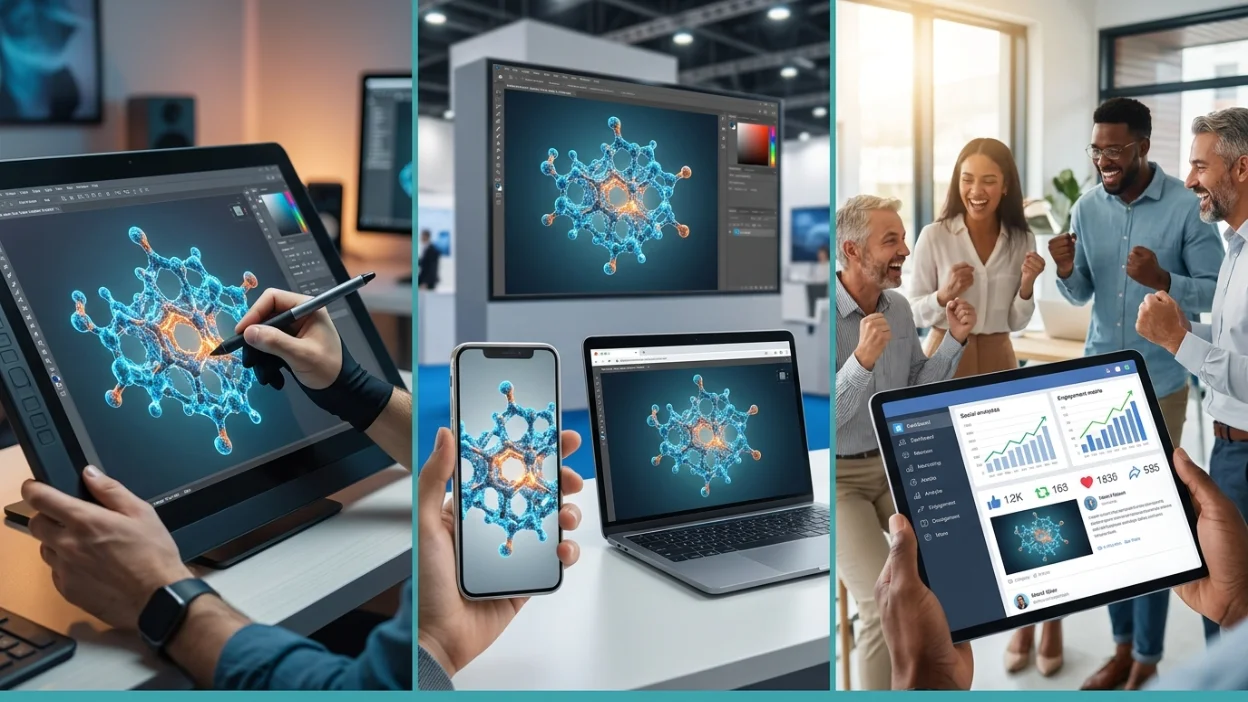
3D animation for marketing is the use of three-dimensional computer-generated visuals to promote a product, service, or brand. Unlike static images or even live-action video, 3D animation lets you show things that are impossible to film, the inside of a machine, the molecular structure of a drug, or an entire building before a single brick is laid.
Here's why it works so well for US brands in 2026:
- Attention-grabbing: Viewers stop scrolling when they see something visually stunning.
- Clarity: Complex processes become easy to understand when animated.
- Trust: High-quality visuals signal a professional, credible brand.
- Versatility: One 3D asset can be repurposed for ads, websites, trade shows, and social media.
- Shareability: Animated content gets 3x more shares on social platforms compared to text posts.
If you're running digital marketing campaigns, adding 3D animation to your creative mix is one of the smartest moves you can make in 2026.
Types of 3D Animation Used in Marketing
1. Product Animation
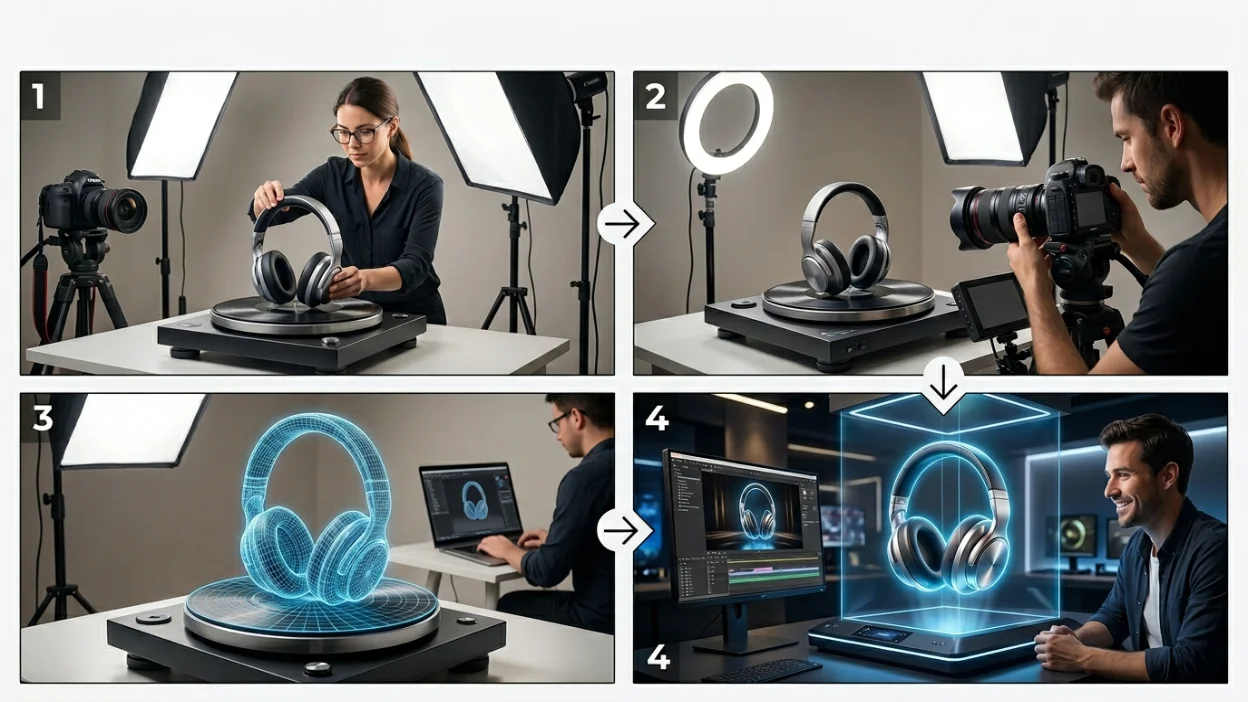
Product animations show your item from every angle. They're perfect for e-commerce, launch campaigns, and trade shows. If you're selling a gadget, a vehicle, or a consumer product, a rotating 3D render beats a product photo every time.
Brands investing in e-commerce are seeing conversion rate lifts of 20–40% when they replace flat images with interactive or animated product visuals.
2. 3D Animation of a Technological Process
This is one of the fastest-growing niches in animation right now. A 3D animation of a technological process takes something invisible or difficult to film, like how a microchip is made, how a software algorithm works, or how an IoT device communicates, and makes it visually clear.
Tech companies use these animations in:
- Investor presentations
- Explainer videos on their website's homepage
- Trade show booth displays
- Technical documentation portals
- LinkedIn and YouTube content marketing
3. 3D Animation in Advertising
3D animation in advertising is everywhere in 2026. From streaming platform pre-roll ads to animated billboards and Instagram reels, brands are using 3D motion graphics to grab attention in crowded feeds.
The best 3D animation in advertising campaigns share a few things in common: they tell a story in under 30 seconds, they highlight the product's key benefit, and they end with a clear call to action.
Good branding is about being memorable. A well-executed 3D ad sticks in the viewer's mind long after they scroll past.
4. 3D Architecture Animation
3D animation architecture, also called architectural visualization or archviz, lets real estate developers, architects, and urban planners show finished buildings and spaces before they're built.
In 2026, US real estate developers use 3D animation architecture to:
- Pre-sell units in unbuilt developments
- Secure bank financing with convincing visual proposals
- Run virtual walkthroughs for remote buyers
- Win design competitions and planning approvals
5. 3D Industrial Process Animation
Manufacturing companies, energy firms, and logistics providers rely on 3D industrial process animation to explain their operations. This type of animation shows how machines work, how products move through a supply chain, or how safety protocols should be followed.
A 3D industrial process animation is not just for marketing, it's also used for:
- Employee onboarding and training
- Safety compliance documentation
- Client pitch decks
- Technical RFP responses
3D Animation vs 2D Animation: Which One Is Right for You?
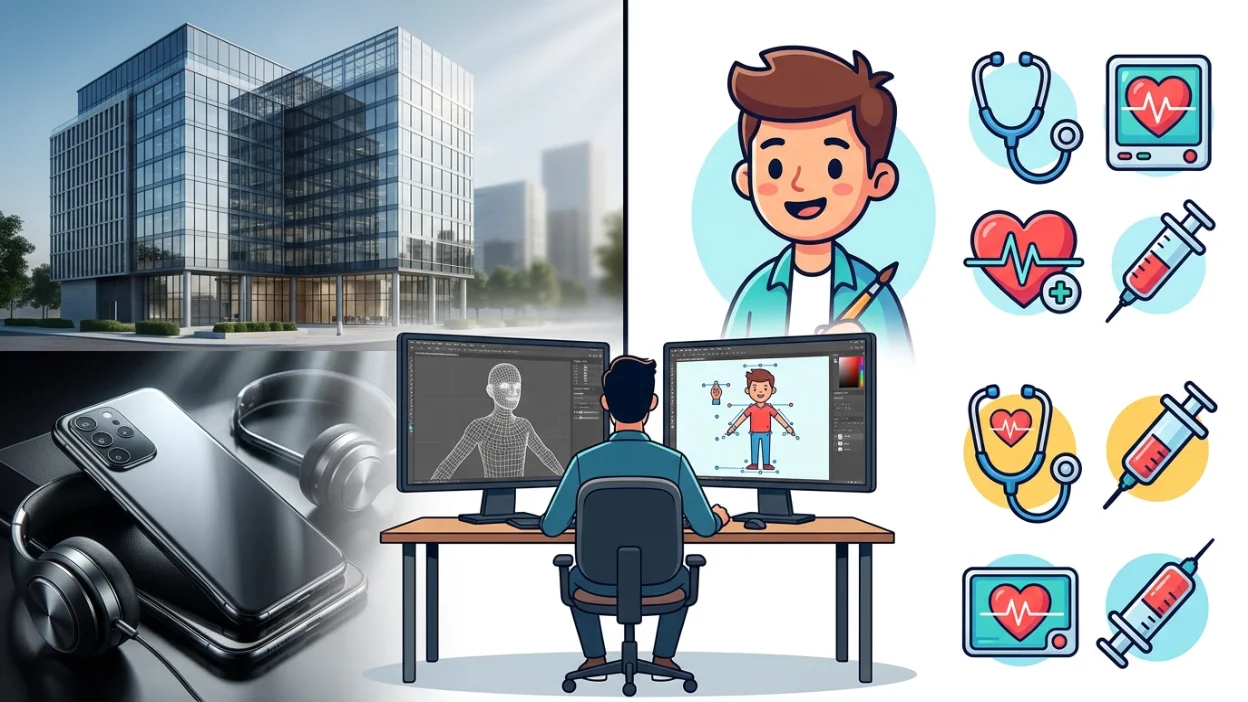
Not every project needs 3D. Here's a quick side-by-side to help you decide:
| 3D Animation | 2D Animation |
|---|---|
| Photorealistic visuals and depth | Flat, stylized, or cartoon look |
| Higher production cost | Budget-friendly via outsourcing |
| Best for architecture, products, tech explainers | Best for explainer videos, medical animation, e-learning |
| Longer render times | Faster turnaround |
The short answer: use 3D when you need realism, depth, or photorealistic product visuals. Use 2D when you need speed, cost efficiency, and a friendly visual style, especially for explainer videos and 2D medical animation.
What Is 2D Animation Outsourcing and Why Do US Companies Do It?
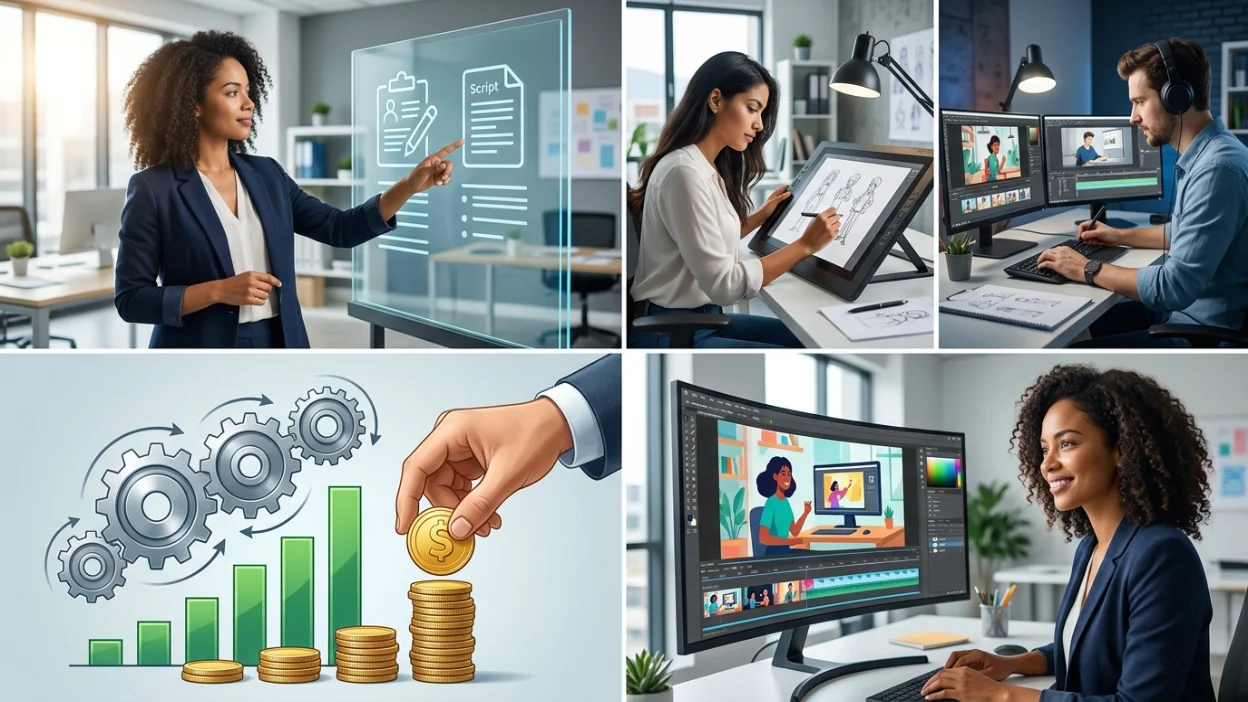
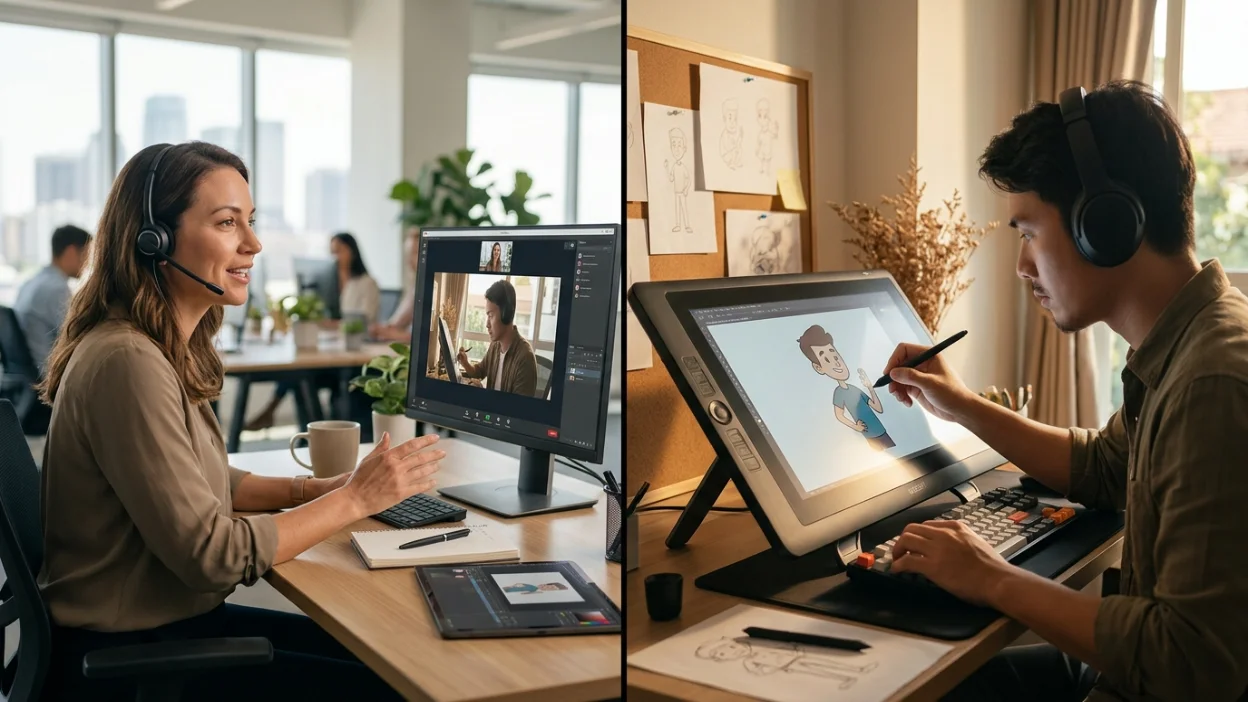
2D animation outsourcing means hiring a third-party studio or freelancers, often based outside the US, to produce your 2D animated content. You provide the brief, script, and brand guidelines. They handle the art, motion, and delivery.
US companies outsource 2D animation for three big reasons:
Cost savings
Production rates in Eastern Europe, Southeast Asia, and Latin America are 40–70% lower than US-based studios.
Access to talent
A good 2D animation outsourcing company has a deep bench of illustrators, animators, and voice directors you couldn't afford in-house.
Speed
Outsourcing lets you run multiple projects in parallel without straining an internal team.
When you outsource 2D animation, you're not cutting corners. You're being strategic about where your budget goes. The best US brands outsource the execution and keep strategy, creative direction, and brand voice in-house.
Pair your animated content with solid UI/UX design services to make sure your website and app experiences match the quality of your videos.
Pros and Cons of Outsourcing 2D Animation
| ✅ Pros of Outsourcing 2D Animation | ❌ Cons of Outsourcing 2D Animation |
|---|---|
| Access global talent at lower cost | Time zone communication gaps |
| Scale production fast | Quality can vary between studios |
| No need to hire in-house team | Revision cycles take longer remotely |
The cons are manageable. Clear briefs, regular check-ins, and a defined revision process will fix most issues. The pros easily outweigh the risks when you partner with the right 2D animation outsourcing company.
2D Medical Animation: A Growing Niche in 2026
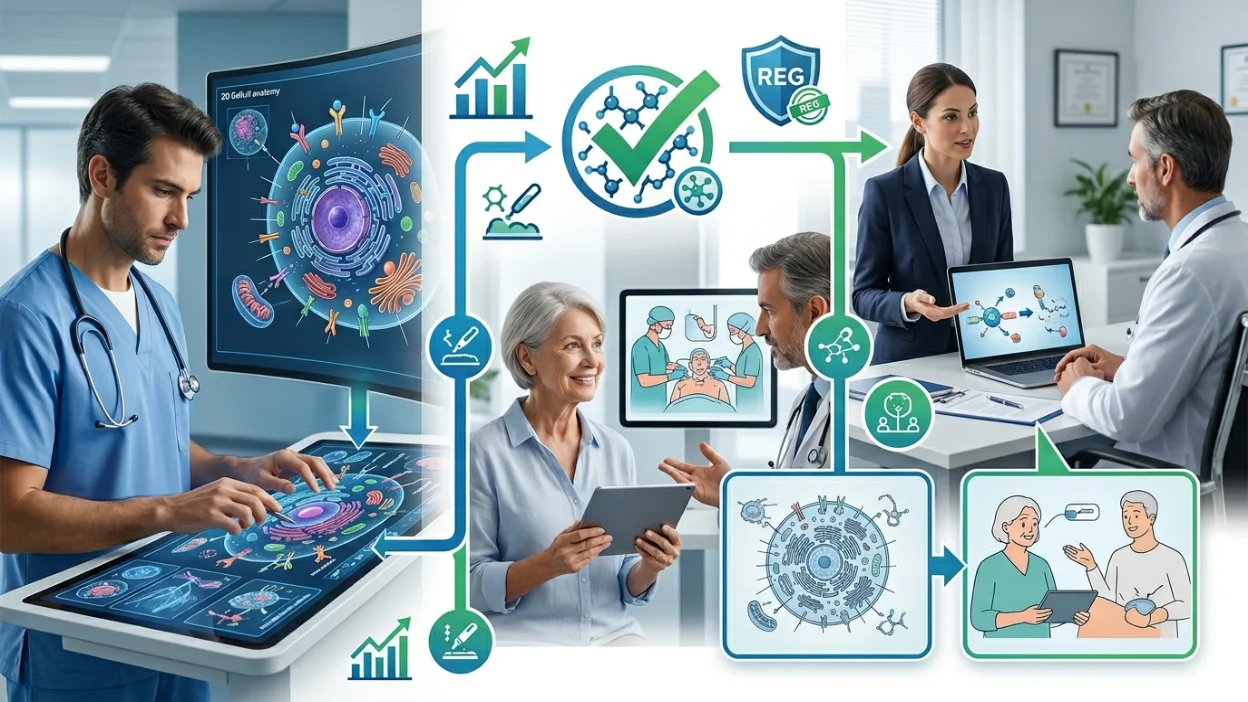
2D medical animation is one of the most specialized and fastest-growing animation categories. Pharmaceutical companies, hospitals, health tech startups, and insurance providers all use it to communicate complex clinical information.
Here's what makes 2D medical animation different from standard explainer videos:
- Scientific accuracy: Every visual must be vetted by medical professionals. Wrong anatomy or inaccurate drug pathways can cause real harm or legal liability.
- Regulatory awareness: Pharmaceutical animations often need to comply with FDA guidelines and avoid off-label claims.
- Audience range: Some animations target patients (simple visuals, plain English), while others target physicians (detailed, technical).
- Use in sales: Medical sales reps use short 2D animations on tablets to explain drug mechanisms at the point of care.
If you're producing 2D medical animation, make sure your 2D animation outsourcing company has experience with healthcare content. Always request a review round with your medical team before final delivery.
The 2D Action Animation Starter Pack: What You Need to Get Started
Thinking about launching your first animated video project? Here's a 2D action animation starter pack, a breakdown of the core components you need to kick off a successful production:
- Script: The foundation of any animation. Keep it tight, 150 words per minute of video is a good rule of thumb.
- Storyboard: A visual plan of every scene. This is where you catch problems before expensive animation work begins.
- Style guide: Define your character design, color palette, and visual tone upfront. This keeps your 2D animation outsourcing company aligned with your brand.
- Voiceover: Record the VO before animation starts. Animators use it to time movements and lip sync.
- Music and SFX: Royalty-free tracks and sound effects complete the production. Never skip this, bad audio ruins good animation.
With this 2D action animation starter pack, you're ready to brief any studio and get consistent, professional results.
How to Choose the Right 2D Animation Outsourcing Company in 2026
Not all animation studios are created equal. Here's what to look for when you outsource 2D animation to a third-party company:
Portfolio and Style Match
Ask yourself: does their reel look like what I want? Studios have a natural aesthetic. If their portfolio is full of flat corporate explainers and you want something with personality and humor, they may not be the right fit.
Industry Experience
A studio that has produced 2D medical animation understands accuracy and compliance. A studio that's made tech product videos understands how to show abstract processes clearly. Match the studio's experience to your industry.
Communication and Project Management
When you outsource 2D animation internationally, communication is critical. Look for studios that:
- Assign a dedicated project manager
- Use professional tools like Slack, Notion, or Frame.io for feedback
- Respond within 24 hours during business days
- Provide a clear production schedule with milestones
Revision Policy
Before signing any contract, understand how many revision rounds are included and what counts as a "major" vs "minor" revision. This protects your budget and timeline.
Pricing Transparency
A professional 2D animation outsourcing company gives you a clear, itemized quote. Be cautious of vague "starting from" prices without scope. Hidden costs in animation projects include additional voiceover takes, licensed music, extra characters, and extended delivery times.
Winning Marketing Campaigns That Used 3D Animation in 2026
Use Case 1: SaaS Platform Onboarding
A B2B SaaS company replaced its 12-page PDF onboarding guide with a 90-second 3D animation of a technological process that showed new users exactly how the platform worked. Result: onboarding drop-off rate dropped by 38%, and customer support tickets fell by 22%.
Use Case 2: Real Estate Pre-Sales
A property developer in Texas used 3D animation architecture to create a virtual walkthrough of a residential complex not yet built. They sold 70% of units before breaking ground, generating $12M in pre-sales revenue.
Use Case 3: Industrial Equipment Launch
A manufacturing company launching new CNC machinery used a 3D industrial process animation at their trade show booth. Compared to the previous year's static display, booth engagement time increased by 4x, and qualified sales leads tripled.
Use Case 4: Healthcare App Launch
A health tech startup used 2D medical animation to explain how their AI diagnostic tool works. The animation was embedded on their homepage and used in email campaigns. Click-through rates on the email campaign were 41% above their industry average.
Each of these brands combined great animation with strong digital marketing and SEO strategies to amplify their reach. Animation alone gets attention, but pairing it with a smart distribution plan is what drives revenue.
Integrating Animation Into Your Website and Mobile App
Creating great animation is only half the work. You also need to embed it effectively across your digital presence.
Here's how top US brands use animation across their digital channels in 2026:
- Hero section video: A looping 3D or 2D animation on the homepage hero section instantly communicates what your product does.
- Product pages: 360-degree product spins or process animations reduce return rates by helping customers understand what they're buying.
- Mobile app onboarding: Short 2D animations within mobile onboarding flows boost feature adoption. Your mobile application is the perfect canvas for motion design.
- Email marketing: Animated GIFs or short clips in email campaigns outperform static banners. Combine with strong email marketing strategy for maximum impact.
- Paid ads: Animated creatives consistently outperform static images in Meta and Google Ads campaigns.
If you're building a new site or app from scratch, your web development and web application teams should be in the loop from the start to ensure animations are properly optimized for loading speed and mobile performance.
Step-by-Step Guide: How to Launch an Animation Project in 2026
Define your goal
Is this for brand awareness, product education, lead generation, or internal training? Your goal shapes everything.
Know your audience
B2B technical buyers, healthcare professionals, and general consumers all need different animation styles and messaging.
Write a creative brief
Cover the purpose, target audience, key message, call to action, desired length, and visual style.
Choose animation type
Use the 3D vs 2D comparison above to pick the right format.
Select a studio or outsourcing partner
Use the checklist in the section above to vet your options. For 2D animation outsourcing, request at least three quotes.
Develop the script
Get this approved by all stakeholders before storyboarding begins. Changes to the script after production starts cost time and money.
Review the storyboard
This is your last low-cost opportunity to change the direction before animation begins.
Approve the style frame
Studios typically provide one or two key frames showing the visual style. Approve this before full animation.
Provide structured feedback
When reviewing animations, give specific, timestamped feedback. "I don't like it" is not actionable. "At 0:14, the machine movement feels too fast" is.
Optimize for distribution
Export in multiple formats, MP4 for web, MOV for broadcast, GIF for email. Work with your SMM team to schedule and distribute content.
Data & Statistics: Why Animation Matters in 2026
Here are some key numbers that show why brands across the United States are investing heavily in animation:
- 87% of marketers report that video content, including animation, delivers a positive ROI.
- Animated explainer videos increase conversion rates by an average of 20% when placed on landing pages.
- 3D product animations reduce e-commerce return rates by up to 35% by helping customers make more informed purchase decisions.
- 2D medical animation improves patient recall of health information by up to 60% compared to text-based materials.
- Companies using animation in their paid social ads see 30–50% lower cost-per-click vs static image ads.
- The global 2D and 3D animation market is projected to exceed $587 billion by the end of 2026, with North America leading growth.
These numbers don't lie. Animation isn't a "nice to have" in 2026, it's a competitive necessity.
Important Highlights
- 3D animation for marketing delivers higher engagement, better conversion, and stronger brand recall than static content.
- 3D animation of a technological process is the go-to format for SaaS, manufacturing, and tech brands that need to explain complex ideas simply.
- 3D animation architecture enables real estate and construction brands to pre-sell, win approvals, and attract investors.
- 3D animation in advertising outperforms static ads on virtually every digital channel.
- 3D industrial process animation serves double duty as a marketing and training tool for manufacturing and engineering companies.
- 2D animation outsourcing is a smart way to scale production quality without hiring in-house.
- Choosing the right 2D animation outsourcing company requires vetting their portfolio, communication style, and revision policy.
- 2D medical animation requires specialized scientific knowledge and regulatory awareness, always work with experienced studios.
- The 2D action animation starter pack, script, storyboard, style guide, VO, and music, is your foundation for every successful project.
Frequently Asked Questions
What is the difference between 3D animation for marketing and 2D animation?
3D animation uses computer-generated three-dimensional objects and environments, giving visuals a realistic, depth-filled appearance. 2D animation works with flat, illustrated characters and scenes. 3D is better for products, architecture, and tech explainers. 2D is better for explainer videos, e-learning, and medical content where clarity and simplicity matter most.
How much does it cost to outsource 2D animation?
The cost varies widely depending on style, length, and studio location. A basic 60-second 2D explainer video from a quality 2D animation outsourcing company typically costs between $3,000 and $15,000 in 2026. Simple motion graphics are cheaper. Premium character animation with voiceover and custom illustrations is at the higher end.
Can I outsource 2D animation and still maintain brand consistency?
Yes, as long as you provide a detailed style guide, brand asset pack, and clear creative brief. The best outsourcing partners will follow your guidelines carefully and flag any inconsistencies before delivery.
What is 2D medical animation used for?
2D medical animation is used to explain how drugs work (mechanism of action), how surgical procedures are performed, how medical devices operate, and how diseases progress. It's used by pharmaceutical companies, hospitals, health tech startups, and patient education programs.
How long does it take to produce a 3D animation for marketing?
Production timelines depend on complexity. A simple 30-second 3D animation for marketing can take 2–4 weeks. A full minute of photorealistic 3D animation architecture or product animation can take 6–12 weeks, including revisions.
What is a 3D industrial process animation?
A 3D industrial process animation is a computer-generated video that shows how a machine, factory, or industrial system operates. It's used to explain manufacturing processes, train employees, pitch to investors, and demonstrate safety compliance.
How do I find the right 2D animation outsourcing company?
Start by reviewing their portfolio and looking for projects similar to what you need. Ask about their project management process, revision policy, and whether they have experience in your industry. Request a detailed quote and check client testimonials before signing any contract.
Is 3D animation in advertising more effective than live-action video?
In many cases, yes. 3D animation in advertising is not limited by location, actors, or production logistics. It can show things that are impossible to film, be updated more easily, and often has a longer shelf life than live-action campaigns. For product launches, tech brands, and industrial companies, it consistently outperforms live video in terms of engagement and cost efficiency.
For more questions?
Contact Us
If your business isn't using animation yet, your competitors almost certainly are. From 3D animation for marketing campaigns that stop thumbs mid-scroll, to 2D animation outsourcing that lets small teams punch above their weight, animation has become a core part of how leading US brands communicate in 2026. The brands winning right now are those that treat animation as a strategic investment, not a one-off creative project. They plan for it in their content calendars, brief their studios well, distribute across multiple channels, and track performance rigorously. Whether you need a 3D industrial process animation for a trade show, a 2D medical animation for a pharma launch, or a 3D animation in advertising campaign for a product rollout, the tools, talent, and technology are all available to you right now.